Turning Site Constraints into Design Opportunities
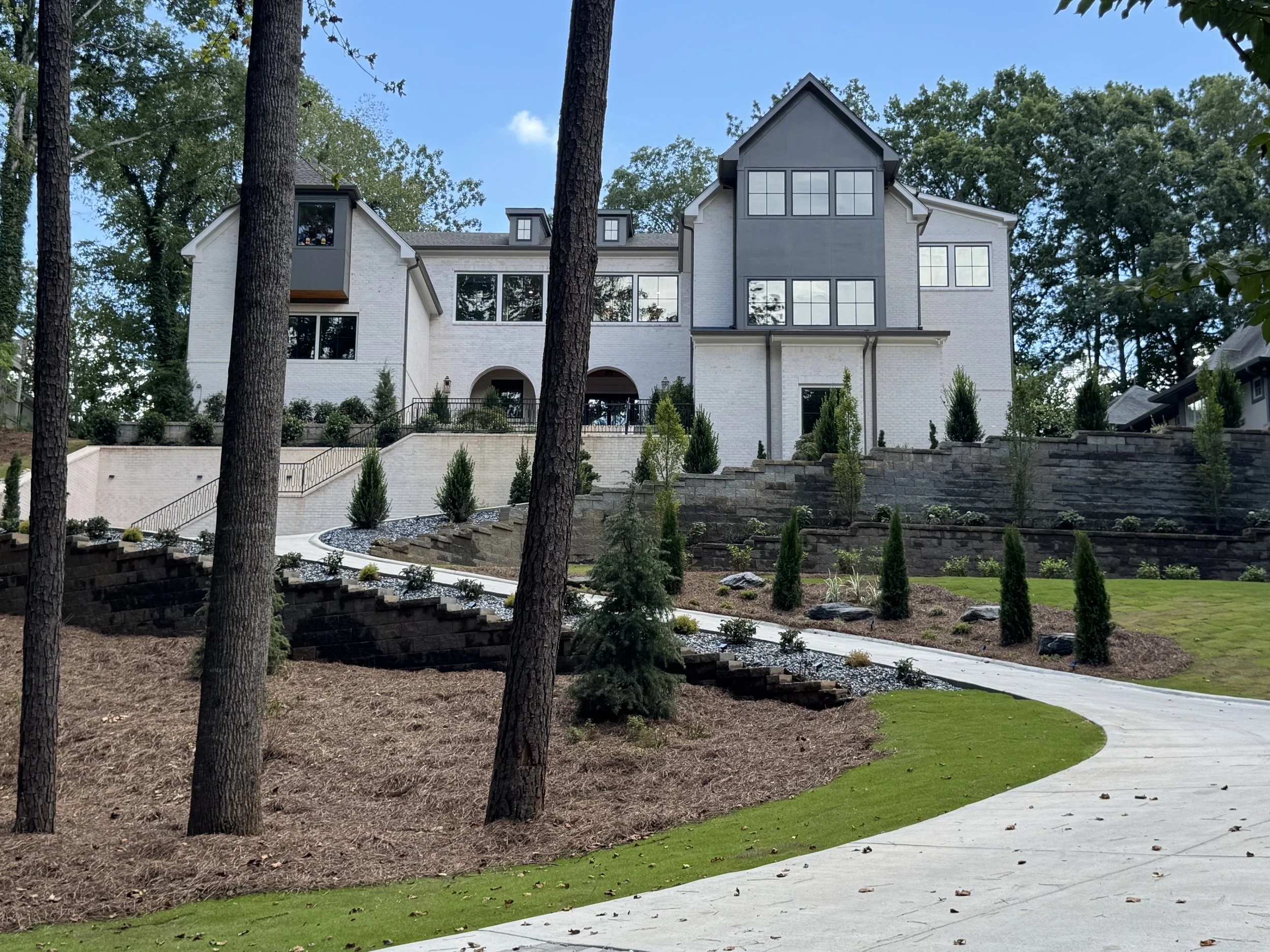
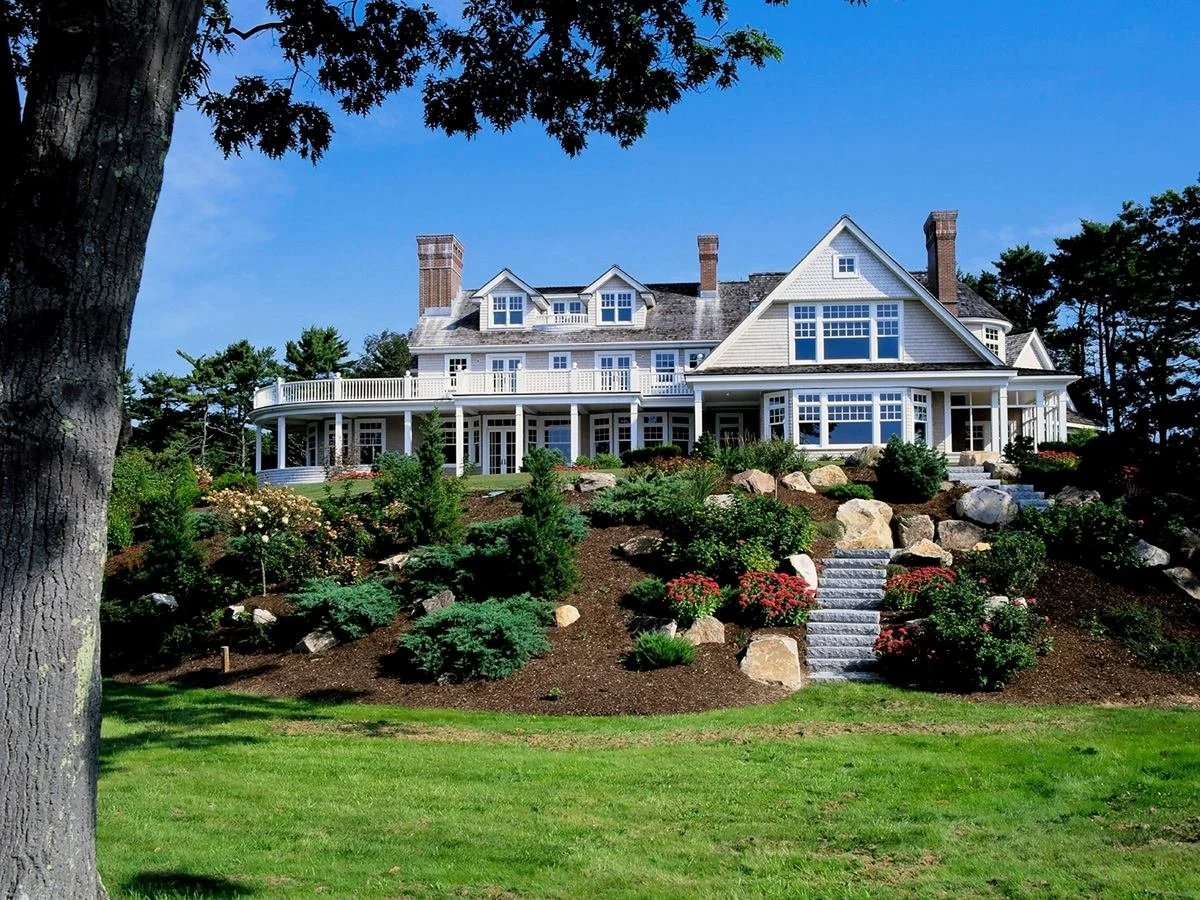
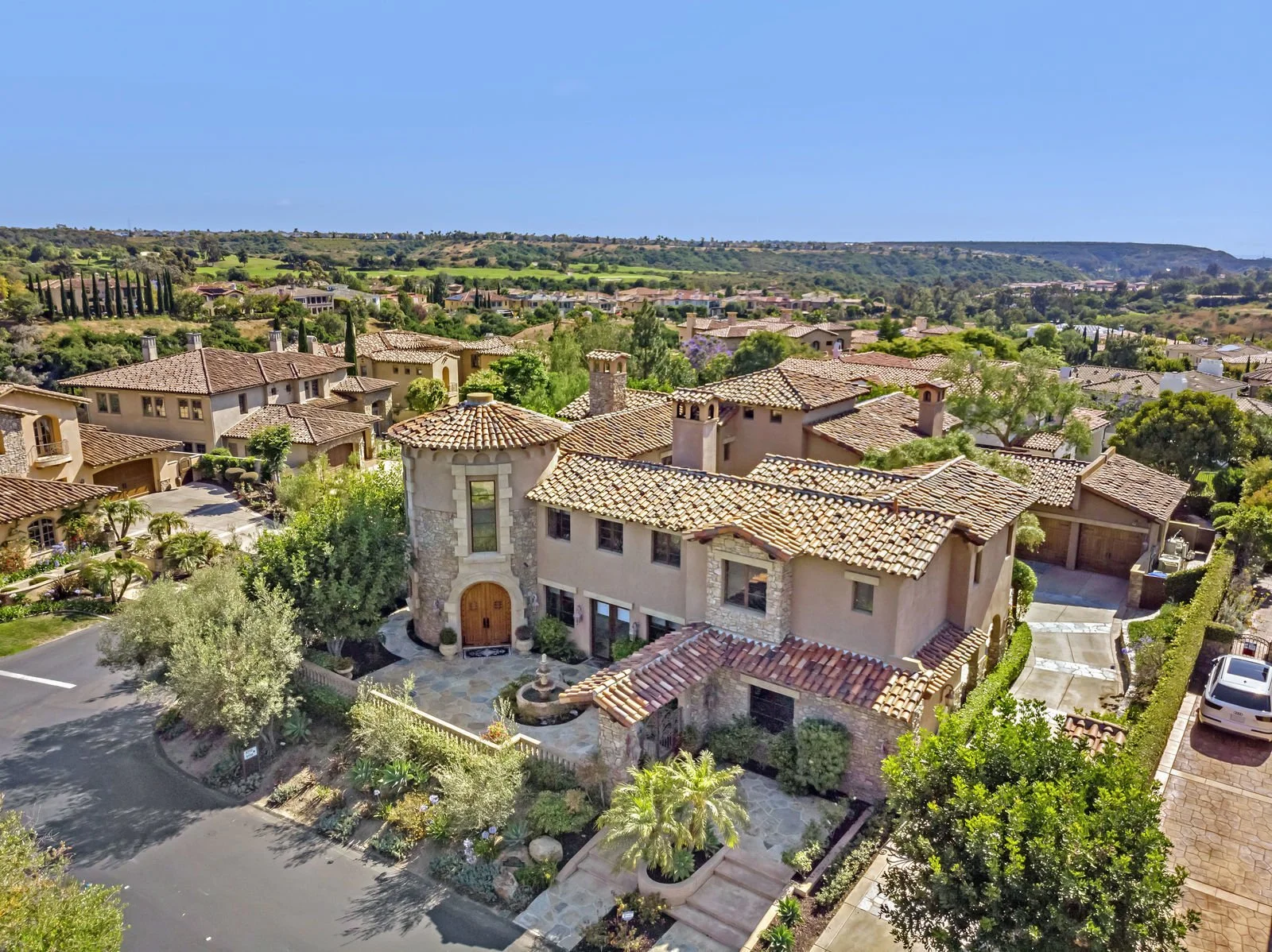
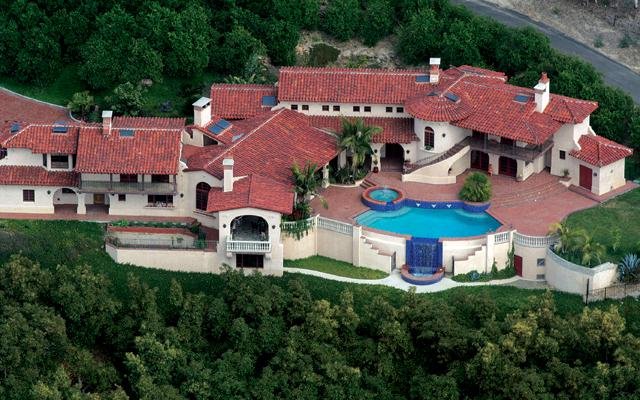
When people think about building a custom home, they often imagine the perfect lot. Flat, open, uncomplicated, and ready to build on.
The reality is very different.
Today’s most desirable properties often come with complexity rather than simplicity. Sloped terrain, irregular lot shapes, environmental restrictions, limited buildable areas, and neighboring homes that require careful attention to privacy are increasingly common in custom home design.
Rather than seeing these conditions as obstacles, they can be understood as opportunities for better architecture.
Understanding Challenging Home Sites
In custom home design, no two properties are the same. Site conditions shape every decision, from layout to orientation to overall form.
Common site challenges include:
Sloped or uneven terrain that impacts foundations, grading, and access
Irregular lot shapes that influence floor plan efficiency and circulation
Environmental restrictions such as wetlands, buffers, or protected vegetation
Zoning setbacks and building limits that define placement and scale
Privacy considerations with neighboring homes that affect window placement and outdoor living areas
Rather than forcing a standard design onto a complex property, successful architecture begins with understanding the land itself.
Designing Custom Homes That Respond to the Land
Site-responsive design focuses on creating a home that belongs to its environment rather than competing with it.
This approach considers:
Natural topography and terrain
Sun orientation and daylight patterns
Key views and visual connections
Existing trees and natural features
Privacy from neighboring properties
On many sites, privacy becomes one of the most important design opportunities. Thoughtful placement of the home, strategic window orientation, courtyards, and outdoor living spaces can preserve openness while minimizing direct sightlines from nearby homes. The result is a home that feels both connected and private.
When design responds to the land instead of fighting it, the outcome is more intentional and more refined.
A sloped site may allow for walkout lower levels and layered living spaces. An irregular lot may create opportunities for more dynamic floor plans and stronger indoor-outdoor connections. Existing landscape features can become defining architectural moments rather than obstacles to work around.
The result is a home that feels grounded in its setting rather than placed on top of it.
Smarter Investment in Custom Home Construction
One of the most important considerations in custom home building is how to allocate the construction budget.
Challenging sites often require grading, retaining walls, imported fill, and other large-scale modifications. While sometimes necessary, these interventions can consume a significant portion of the budget before the home itself begins to take shape.
Every dollar spent forcing the land to accommodate a preconceived design is a dollar that cannot be invested in the home itself.
By designing with the site rather than against it, homeowners can often redirect resources toward what matters most, including:
Higher-quality materials and finishes
More refined interior spaces
Better architectural detailing
Enhanced outdoor living environments
Improved long-term durability and craftsmanship
In many cases, the most effective approach is not reshaping the land to fit the house, but shaping the house to fit the land.
Benefits of Site-Responsive Home Design
Designing custom homes around existing site conditions leads to measurable and experiential benefits:
Improved construction efficiency
Reduced unnecessary site work
Greater preservation of natural landscape features
More distinctive architectural outcomes
Stronger connection between home and environment
Increased sense of privacy and comfort
Most importantly, it results in homes with a stronger sense of place.
Custom Home Design That Starts With the Land
Great design begins with understanding the land. When a home is shaped by its site rather than imposed upon it, the result is a residence that feels authentic, intentional, and deeply connected to its surroundings.
At Rueden Group, we believe the land should be one of the most important voices in the design process. When we listen carefully, the result is a home that reflects both the character of the site and the people who will live there.
Part life. Part style. All you.